
For modern e-commerce brands, navigating the marketplace has shifted from a simple game of keyword matching to a complex, multi-dimensional war of algorithmic efficiency. Managing an amazon ads campaign manually is no longer just tedious; it is financially unsustainable. As CPCs rise and competition intensifies, brands using traditional campaign management tools are spending hours adjusting spreadsheets, only to find their profits eroded by non-converting search terms and delayed bidding adjustments.
The emergence of ai advertising has transformed this landscape. By leveraging machine learning models to analyze shopper intent, historical trends, and conversion probabilities, artificial intelligence is rewriting the playbook for amazon ppc management. Brands that successfully adopt an AI-first strategy are reclaiming countless hours of manual management, slashing their Advertising Cost of Sales (ACoS), and scaling their businesses with unprecedented control.
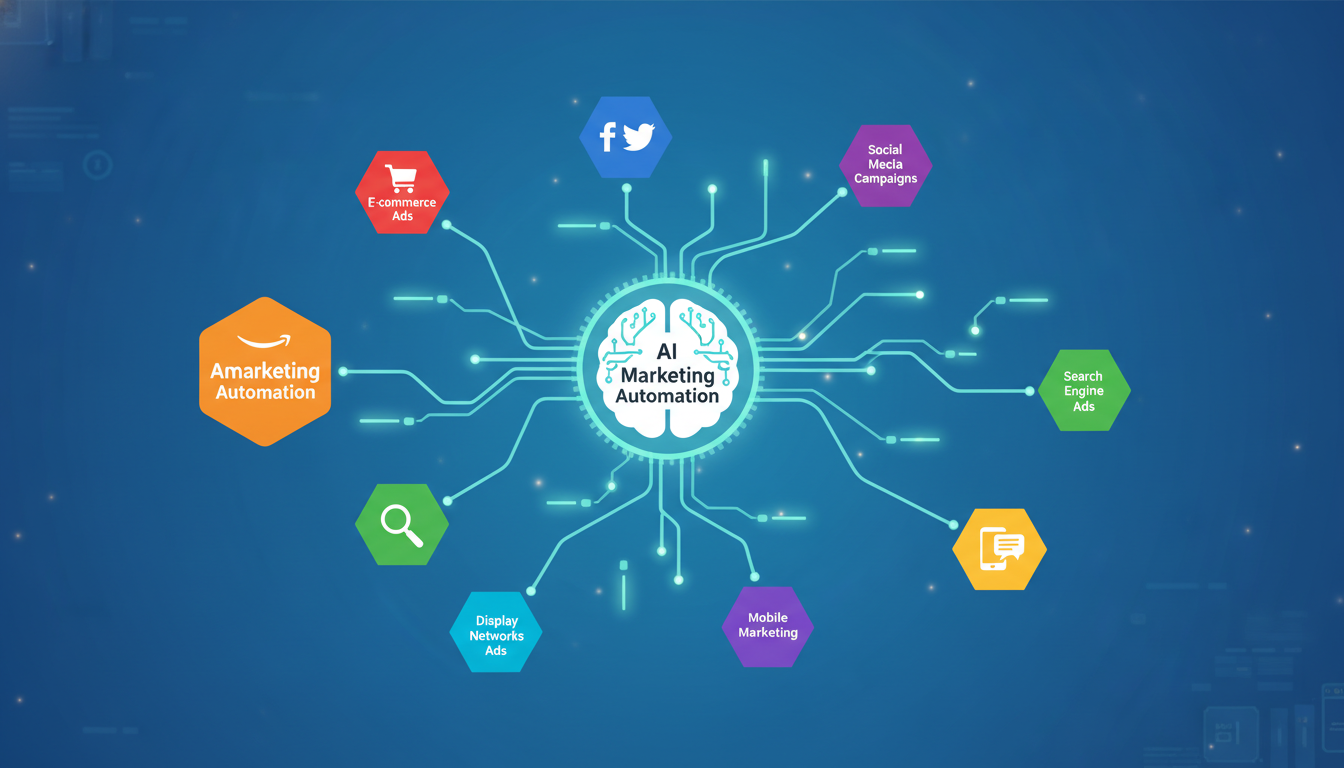
The Evolution of Amazon Pay Per Click Ads: From Rules to Machine Learning
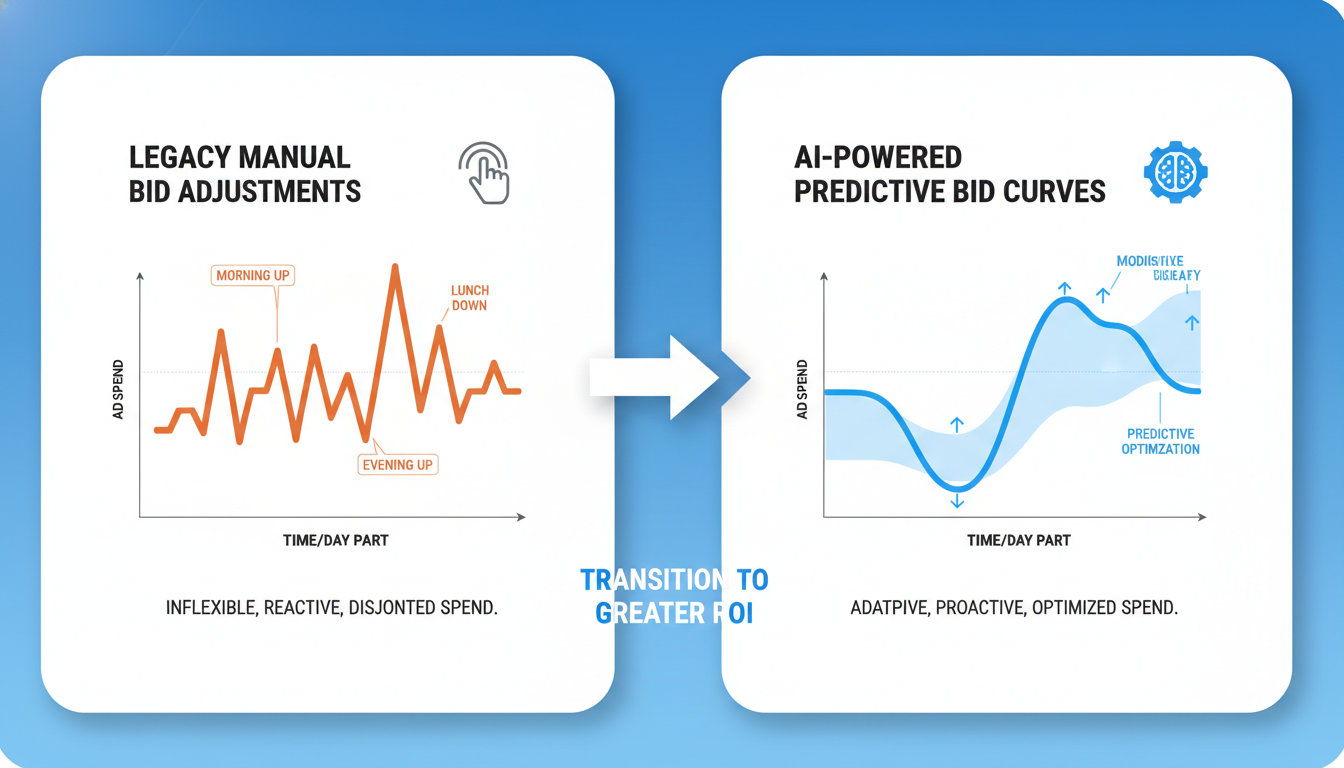
Historically, managing amazon pay per click ads relied on rule-based automation. Sellers would establish rigid conditions—such as "If ACoS is over 35%, lower the bid by 10%" or "If a keyword generates more than 10 clicks without a sale, pause it." While this was a step up from manual bidding, rule-based ad automation suffers from structural limitations. It is inherently reactive, operating on historical data that is often days old, and it fails to account for dynamic variables like time-of-day fluctuations, inventory levels, or seasonal shifts.
Modern ppc ai does not rely on static "if-then" statements. Instead, it utilizes predictive modeling. Advanced algorithms process millions of data points simultaneously to forecast the exact conversion probability of a specific click at any given second. Factors analyzed by modern amazon ads automation systems include:
- Real-time inventory levels: Automatically dialing back ad spend if stock is running low to avoid organic ranking drops due to stockouts.
- Dayparting & Hourly conversion patterns: Finding the precise hour of the day when a product's conversion rate spikes and aggressively scaling bids during that window, while lowering bids during dead zones.
- Historical search behavior: Predicting buyer intent by mapping search pathways, ensuring high-value bids are placed on high-converting keywords.
According to Amazon Ads' perspective on AI marketing trends, businesses are increasingly relying on collaborative AI copilots to handle operational complexities, freeing marketers to focus on creativity, business model expansion, and long-term positioning.
Transitioning to ai based advertising means shifting from reactive adjustments to proactive, real-time optimization. Instead of guessing how much to bid on a critical term, brands utilize an amazon advertising platform powered by deep learning models that adjust bids in micro-increments, maximizing exposure while preserving profitability.
Unpacking the Core Pillars of AI PPC Management
To truly appreciate how ai software for marketing transforms Amazon growth, it is helpful to look at the discrete tasks it automates. True amazon ppc automation goes far beyond bidding. It encompasses a holistic workflow that orchestrates keyword harvesting, budget management, creative optimization, and competitive intelligence.
1. Continuous 24/7 Bid Optimization
At the heart of any amazon ppc tool is bid management. A human advertising manager can, at best, optimize bids once or twice a week. During high-traffic events like Prime Day or Q4 holidays, manual bidding turns into a high-stress bottleneck. An ai ppc management system operates continuously, making adjustments every hour of the day across thousands of keywords. This continuous optimization prevents overbidding during low-conversion hours and secures top-of-search placements during peak buying windows.
2. Dynamic Search Term Harvesting and Negative Match Automation
One of the biggest leaks in an ad budget is "bleed"—money wasted on keywords that drive clicks but zero sales. An amazon ppc automation tool monitors search term reports in real time. When a search term meets defined criteria for purchase intent, the AI instantly elevates it to a targeted keyword in an exact-match campaign. Conversely, if a term is draining budget without converting, the platform instantly registers it as a negative keyword, plugging the leak immediately. This is the cornerstone of sophisticated advanced AI advertising strategies that protect margins and scale ROAS.
3. AI-Powered Creative Generation
Amazon has evolved into a highly visual search engine. Sponsored Brands, Sponsored Display, and video ads now capture the highest-converting real estate on search engine results pages (SERPs). The challenge for most brands is producing these visual assets at scale. An ai powered ad creative engine, like an ai ad generator or ai ads creator, can instantly build professional lifestyle backdrops, render high-quality product images, and test dozens of custom variations. This is no longer just about saving time; it is about dynamic optimization where the AI matches specific visual assets to the inferred tastes of different buyer personas.
Evaluating the Best Amazon PPC Software: Rule-Based vs. AI Automation
When evaluating ppc software tools, many brands struggle to distinguish between superficial automation and genuine machine learning. To make an informed decision, it is crucial to understand the functional differences between legacy platforms and an advanced, full-funnel marketing management platform.
| Feature / Capability | Legacy Rules Platforms | Modern AI Platforms (e.g., AdAstraa) |
|---|---|---|
| Optimization Logic | Rigid "If-Then" manual conditions. | Dynamic machine learning models & multi-point predictive analytics. |
| Bidding Frequency | Once a day or once a week. | Continuous, hourly adjustments (24/7 Autopilot). |
| Keyword Discovery | Manual lookup or static thresholds. | Automated harvesting with buyer intent matching. |
| Creative Asset Support | None; requires external designer. | AI-generated background themes, copy, and testing. |
| Profitability Focus | Ad-only focus (ACoS/ROAS). | Full-funnel profit tracking, including margins & True Profit per ASIN. |
As demonstrated above, selecting the best amazon ppc automation software requires looking beyond basic keyword bid changes. True value lies in comprehensive marketing workflow automation, linking search traffic, inventory, shopper intent, and creative production into a single, cohesive ecosystem. Platforms like AdAstraa's AI-driven ad operating system accomplish this by acting as an operational layer that bridges ad automation with true business profit intelligence.
Step-by-Step: Designing a Scalable Amazon Advertising Strategy with AI
To get the most out of an ai advertising platform, brands must follow a systematic implementation plan. AI is extremely powerful, but it requires clean inputs, structural clarity, and clear target guardrails to operate at maximum efficiency. Here is how to construct a winning strategy:
Step 1: Set Target ACoS and TACoS at the SKU Level
One of the biggest mistakes brands make is setting a uniform ACoS target across their entire catalog. High-margin products can sustain a higher ACoS to grab market share, while thin-margin or introductory products require tight budget control. Group your products into logical portfolios and define your target metrics based on True Profit margins.
Step 2: Establish Your Seed Campaigns
While marketing automation using ai can find new keywords, it needs a starting point. Provide your AI tool with high-relevance seed keywords discovered through organic search metrics, product descriptions, and primary competitor listings. The AI will monitor these seed targets to establish baseline conversion rates.
Step 3: Define Rules for Brand Defense and Conquesting
Segment your amazon advertising campaign structure so the AI handles brand defense and competitor conquesting differently. Brand terms typically have high conversion rates and low CPCs; the AI should bid aggressively to defend your search real estate. Competitor conquesting keywords have lower conversion rates but are critical for category growth; the AI will carefully test these targets to capture market share without destroying overall margins.
Step 4: Connect Creative Optimization to Click Performance
Use an ai ads generator to develop multiple visual hooks. For instance, testing a dynamic background showing a kitchen setup versus a minimalist backdrop can yield massive differences in CTR. Ensure your AI platform is set to continuously shift budget toward the visual creative variants that drive the highest click-through and purchase conversion rates.
The Broader Context: Global Marketplace AI Trends
The rapid adoption of artificial intelligence on Amazon mirrors broader digital advertising trends. Major retailers and consumer brands are aggressively investing in AI tools to survive and thrive in highly volatile marketplaces.
Recent data compiled in eMarketer's analysis of Amazon's double-digit advertising growth shows that Amazon is investing billions in cloud-based artificial intelligence infrastructure. This structural focus has direct implications for everyday merchants: Amazon's native systems are rewarding highly active, optimized campaigns that serve relevant ads to shoppers. By using external marketing analytics ai and automated tools, brands can match the complexity of Amazon’s internal systems, keeping their cost-per-click reasonable and search rankings high.
This programmatic shift is leading to the consolidation of single-purpose software. Modern brands no longer want a separate bid manager, keyword tool, and creative agency. They are looking for an all in one advertising platform that ties everything together.
How AdAstraa Resolves the "Black-Box" Automation Problem
Many Amazon-first brands are cautious about amazon ppc automation software because they fear losing control over their ad spend. They worry that a "black box" algorithm will aggressively raise bids on high-cost keywords, burning through budgets with little accountability.
AdAstraa solves this by providing a transparent, hybrid framework that pairs advanced AI automation with strategic, human-configured guardrails. Instead of running blindly, AdAstraa’s platform operates across four specialized modules:
- Autopilot: Performs continuous 24/7 bid optimization, adjusting bids incrementally based on dynamic conversion likelihood, and instantly reacting to real-time marketplace movements.
- Shopper OS: Leverages deep buyer intent intelligence to identify emerging search queries, harvest valuable terms, and automate negative match placements to stop wasted ad spend immediately.
- AdCreative+: An advanced AdCreative+ dynamic creative platform that enables sellers to build, test, and run beautiful, AI-powered ad creatives that drive higher CTRs without requiring a team of graphic designers.
- EcomGPT: Automates repetitive operational tasks, customer feedback, and review analytics, allowing brands to maintain top-tier seller metrics and a healthy organic ranking.
By unifying these components, AdAstraa removes the stress from campaign management tools, returning valuable manual hours to your team and ensuring every ad dollar spent directly supports your bottom-line profitability.
Reclaim Your Profit Margins Today
If you are tired of spending hours staring at Amazon Ads Manager spreadsheets, watching your margins slide to rising CPCs, it is time to upgrade to a system that works as hard as you do. Stop wasting ad spend, automate your workflow, and regain real-time visibility into your True Profit per ASIN.